Business finance guide
Construction finance: jobs and cash
Review job costs, change orders, progress billing, retainage, and cash timing across construction projects.
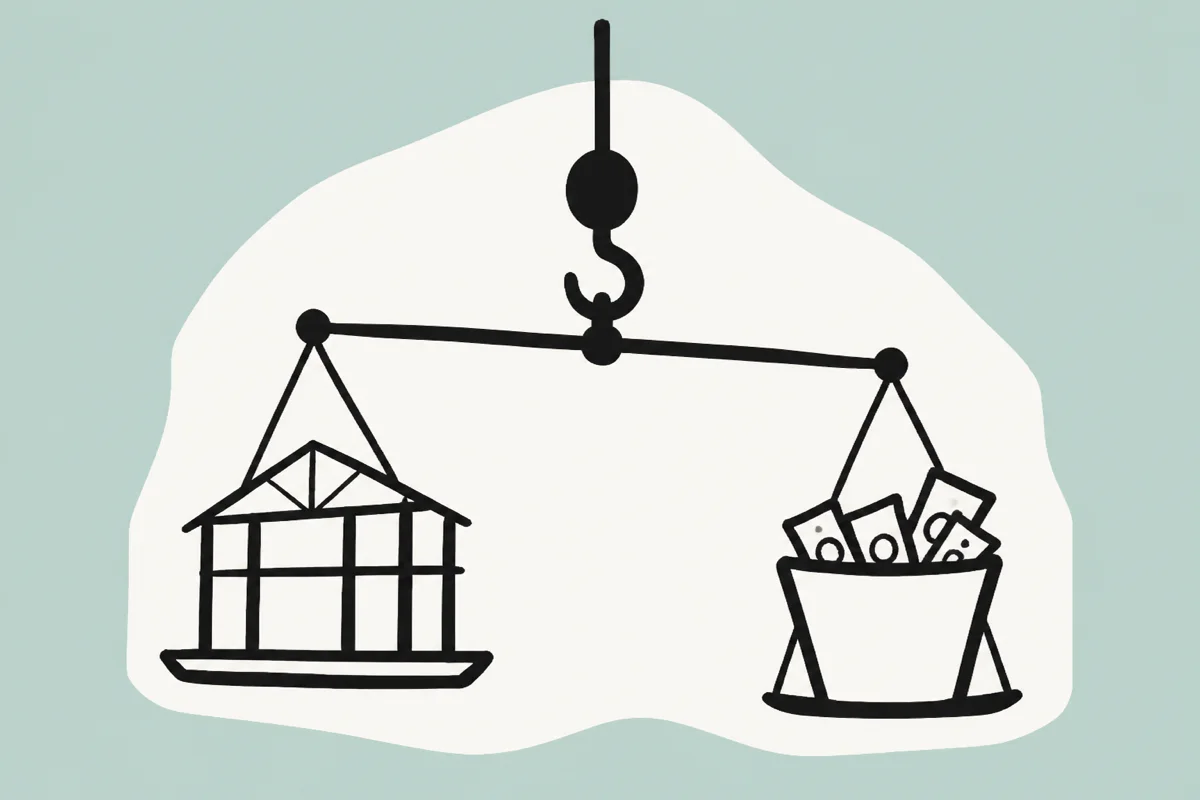
The practical definition
A job can show a profit while payroll and subcontractor bills come due before the owner pays. Review each job's costs and billing, then combine expected receipts and payments into a company cash forecast.
What good finance answers
A job review should answer:
- What is the current forecast final cost and margin by job, phase, and cost code?
- Which labor, material, equipment, subcontractor, or schedule changes are moving the estimate?
- Which change orders are identified, submitted, approved, billed, and collected?
- How much earned work is unbilled, held in retainage, overdue, or disputed?
- When will project payments and company obligations create the lowest cash point?
Start with job cost tracking, then compare billing and cash dates across jobs.
Pressure points
Actual cost arrives before the full commitment
Invoices miss purchase orders and subcontract commitments that have not been billed. Add those obligations and a current cost-to-complete estimate to the job review; avoid counting the same cost twice.
Change orders move through several states
Unapproved changes can create cost before there is a right to bill. Track each change’s cost and approval status; show potential recovery separately until its basis is clear.
Progress billing does not equal cash received
Work completed, stored materials, retainage, and contract approvals affect what can be billed. Certification, payment terms, and actual collections determine when cash arrives. Review the pay application against its schedule of values and contract.
Profitable backlog can still consume working capital
Add each job’s expected receipts and payments to one dated cash forecast. Backlog is work under contract, not cash available for payroll.
Operating rhythm
| Cadence | Review | Decision output |
|---|---|---|
| Weekly | Cost-code movement, commitments, change orders, billing status, cash forecast | Project follow-up, payment timing, and forecast changes |
| Monthly | Job-cost reconciliation, estimate to complete, margin fade, WIP, aging | Cost corrections, billing actions, and executive review |
| Project gate | Estimate, contract, buyout, major change, closeout, retainage | Approved budget, risk response, and final recovery actions |
Use the construction cash-gap forecast when a strong backlog is increasing the amount the company must finance.
AI with controls
AI can compare these records if they are available to it. A ledger alone cannot establish percent complete, unrecorded commitments, or a contractual right to bill.
A controlled construction workflow should:
- Identify the project, contract, cost-code structure, reporting date, and approved budget version.
- Separate actual cost, commitments, estimates, pending changes, approved changes, billed amounts, and collections.
- Link findings to jobs, vendors, subcontractors, invoices, pay applications, and change-order records.
- Flag missing commitments, stale estimates, cost-code miscoding, billing holds, and disputed balances.
- Keep percent-complete judgments, contract interpretation, tax treatment, payment approval, and final forecasts with qualified people.
MosoFin provides read-only QuickBooks access inside Claude. Ask which job-level records the connected workspace contains, and supply missing contract, commitment, or pay-application records before relying on a project-level answer.
Key takeaways
Every job needs a current cost forecast
Compare actual cost, committed cost, remaining estimate, approved changes, and forecast final cost by cost code.
Company profit does not replace job profit
Review margin by project and phase so strong jobs do not hide losses or estimate drift elsewhere.
Billing and cash follow contract timing
Connect schedule of values, approved progress, retainage, pay applications, collections, and required payments.
Change orders need separate status
Distinguish identified, priced, submitted, approved, billed, and collected changes before counting recovery.
Backlog can increase cash pressure
Model mobilization, materials, subcontractors, payroll, retainage, and owner payment timing across the project portfolio.
Explore construction finance workflows
Open the focused review that matches the decision in front of you.
Track construction job costs
How can I track construction job costs using our actual records?
Open workflow → SkillTrack construction job profitability and margin erosion
How can I track construction job profitability and margin erosion using our actual records?
Open workflow → SkillForecast construction project cash gaps
How can I forecast construction project cash gaps using our actual records?
Open workflow → GuideReview progress billing, retainage, and schedule of values
What should I know about progress billing, retainage, and schedule of values when reviewing our actual records?
Open workflow → TermAccounts receivable aging
Which customers still owe us money, and how late are their invoices?
Open workflow → GuideBudgeting, forecasting, and variance analysis
What should I know about budgeting, forecasting, and variance analysis when reviewing our actual records?
Open workflow →What people are asking
Community posts describe practical concerns. They are not accounting authority.
- How should a construction manager set up a pay application?
A construction manager asks how to structure G702/G703 billing when subcontractor costs span several line items.
Further reading
Last reviewed August 14, 2026
Educational information only. Review source records and apply your organization's accounting policies and professional judgment before acting.